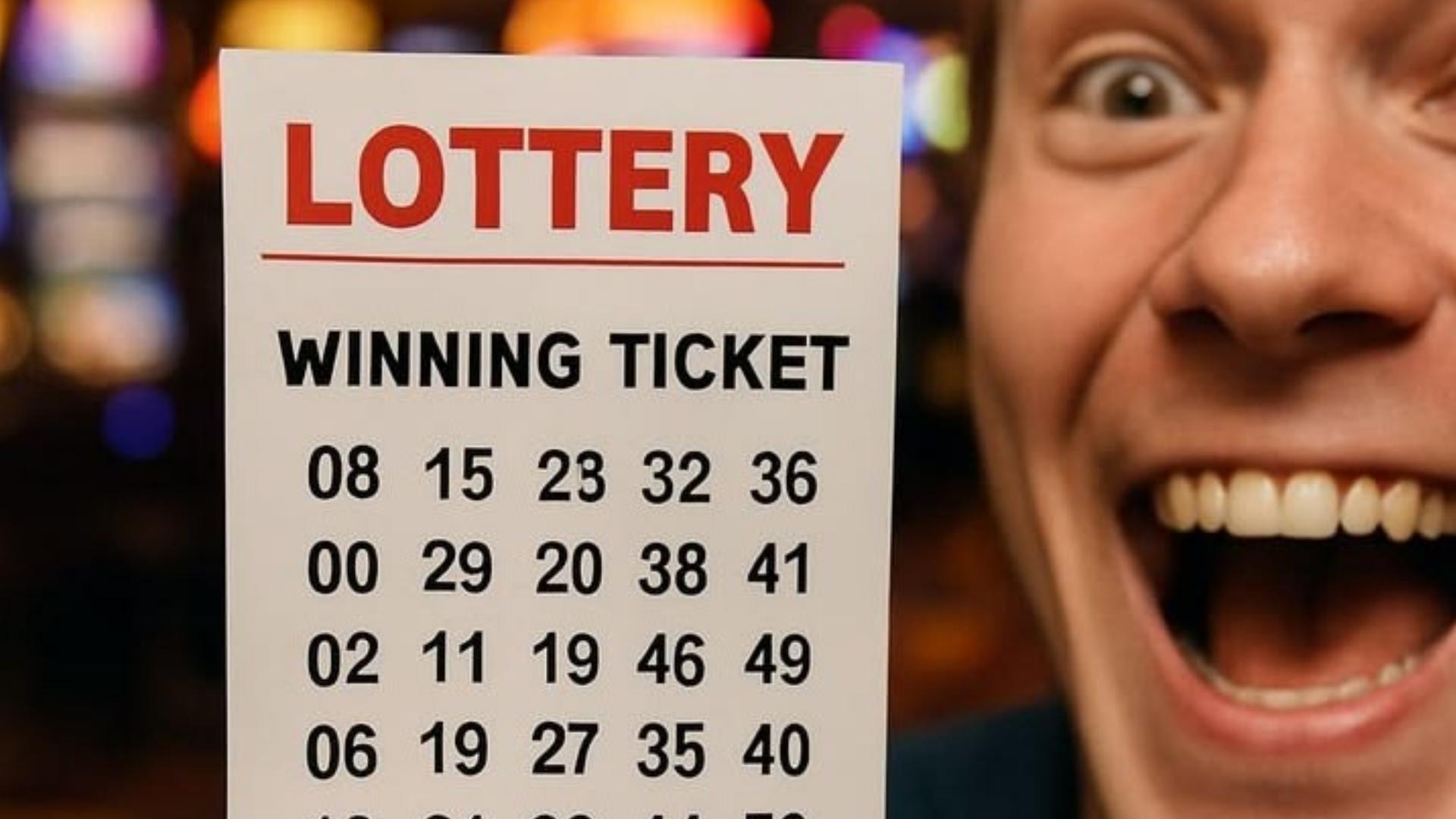
Understanding the fundamental mechanics of casino games is the first step toward maintaining a healthy mindset during play. Central to this understanding is the concept of the house edge, which represents the mathematical advantage built into every game. By recognizing and accepting this reality, players can shift their focus from chasing improbable outcomes to enjoying games as a form of structured entertainment.
The Mathematical Reality of Casino Games
The house edge ensures that over thousands of rounds, the platform retains a small percentage of all wagers. This mathematical design guarantees operational sustainability for providers, making consistent long-term profits for players statistically improbable. Accepting this built-in mechanism helps individuals frame their gaming sessions with clarity rather than false hope.
Short-term wins can still occur due to statistical variance, but they should be viewed as temporary anomalies rather than repeatable strategies. Recognizing how probability works prevents players from relying on flawed tactics or believing that a game is due to pay out. Ultimately, respecting mathematical design fosters an objective view of every outcome.
Transforming Mindsets for Safer Play
When players accept the house edge, their primary motivation changes from financial gain to recreation. This mental shift reduces the pressure to recover losses, which is often the main driver behind impulsive behavior. Players who embrace this perspective view entry fees as the cost of entertainment, much like buying a ticket to a theater or sporting event.
This grounded mindset makes it significantly easier to establish firm personal limits before starting a session. Knowing that the odds favor the venue encourages participants to set strict budget boundaries and stick to them. As a result, emotional frustration is minimized, making the overall experience far more predictable and controlled.
Eliminating Common Gambling Myths
Belief in hot streaks or lucky routines often stems from a misunderstanding of independent probability events. Accepting the house edge dispels these common myths, reminding players that past outcomes have no bearing on future results. Each spin, draw, or roll operates with complete mathematical independence.
By abandoning superstitious thinking, players can avoid the trap of increasing wagers during loss sprees. Discarding these cognitive biases enables individuals to evaluate their gaming habits with objective clarity. Grounding decision-making in logic rather than emotion safeguards both peace of mind and financial well-being.
Building Sustainable Budgeting Habits
A realistic view of mathematical odds forms the foundation of effective bankroll management. Players who acknowledge the house advantage treat their gaming funds as discretionary entertainment spend rather than investment capital. This practical approach ensures that essential living expenses are never compromised for gameplay.
Setting time limits alongside financial caps helps maintain balance in daily routines. Taking regular breaks prevents decision fatigue, allowing players to remain aware of their choices throughout a session. Consistent self-regulation empowers individuals to stay in control while enjoying casual interactive formats.
Enhancing Overall Entertainment Value
Approaching games with realistic expectations allows players to appreciate the design, social elements, and immersive quality of modern platforms. When winning is not treated as a necessity, the inherent fun of interactive features takes center stage. This balanced perspective transforms gaming into a sustainable recreational activity.
In conclusion, accepting the house edge is essential for cultivating a healthy, responsible relationship with digital games. It removes emotional turbulence and protects players from unrealistic expectations. By prioritizing entertainment value over financial targets, enthusiasts can ensure their sessions remain engaging and safe.