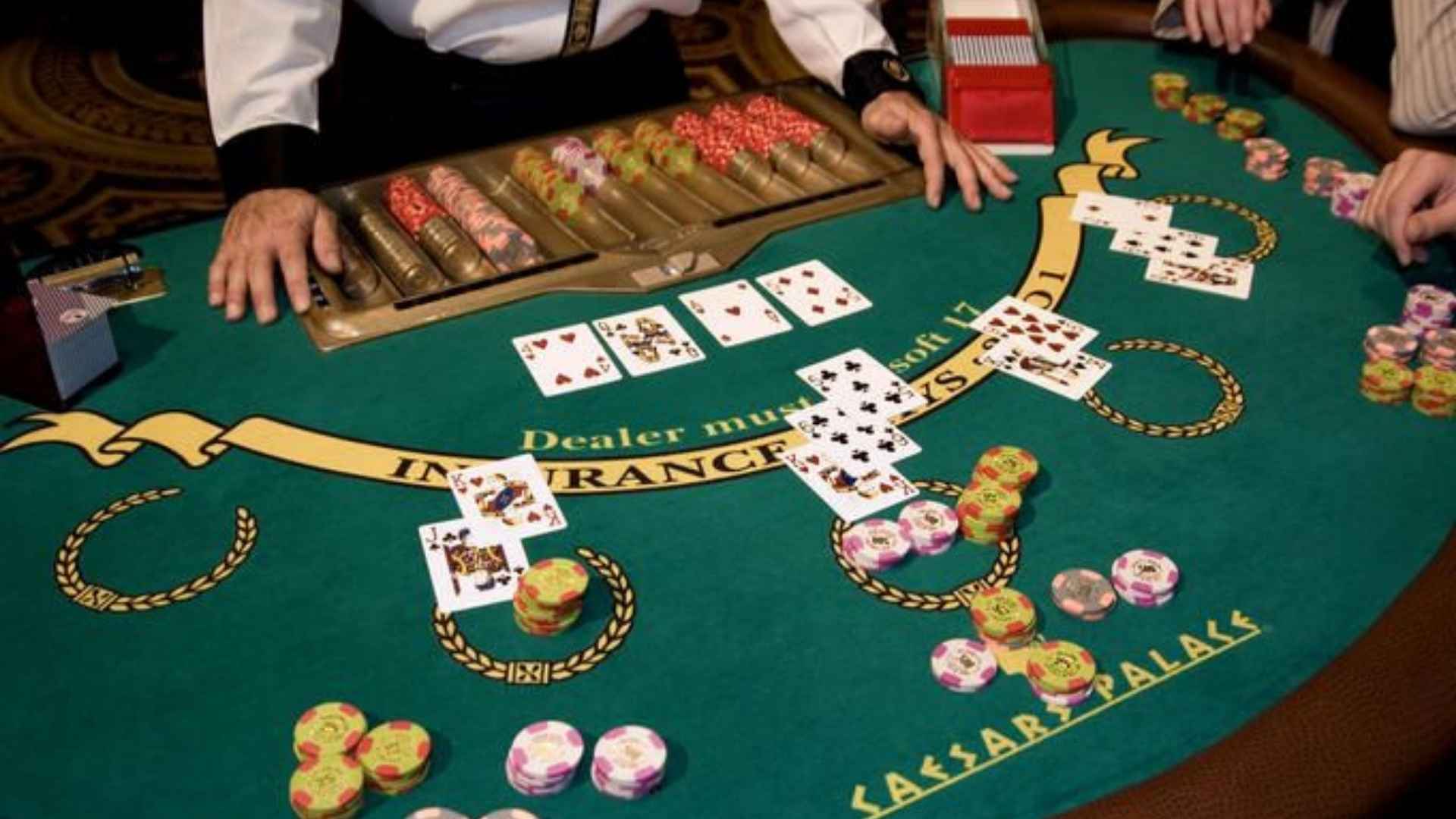
Playing as the declarer in contract bridge is both a privilege and a high-stakes responsibility. While controlling two combined hands offers a significant strategic advantage, even experienced players frequently slip into predictable tactical errors. Recognizing these pitfalls before playing to the first trick is essential for consistently fulfilling contracts.
Failing to Pause and Formulate a Plan
The most widespread error committed by declarers is rushing to play a card from dummy immediately after the opening lead. Taking a moment to analyze the layout, count sure winners, and calculate potential losers sets the foundation for a successful hand. Pausing allows you to identify critical suit distributions and anticipate defensive threats before committing to a line of play.
Developing the habit of deliberate planning prevents avoidable missteps early in the session. Enthusiasts looking for strategic insights and entertainment resources often check out boss29.com during their regular study routines. Consistent discipline at trick one separates casual card players from master strategists.
Mismanaging Trumps and Drawing Them Carelessly
Another frequent mistake is automatically pulling opponent trumps without considering side-suit entries or ruffing needs. While drawing trumps is a standard rule of thumb, doing so prematurely can destroy your ability to trump losing cards in dummy. Always evaluate whether you require dummy's trump cards to handle weak suits first.
Conversely, delaying the extraction of trumps for too long allows defenders to execute dangerous cross-ruffs. Declarers must balance the necessity of clearing defensive trumps with the requirement to establish extra tricks in side suits. Careful calculation ensures you keep full control of the hand from start to finish.
Losing Track of Essential Transportation and Entries
Contract bridge requires smooth transportation between your hand and the dummy to cash established winning cards. Many declarers mistakenly play high honors in the wrong order, inadvertently blocking their own path to long suits. Once entries are stranded, valuable winners in dummy become completely inaccessible.
To avoid entry problems, map out the exact sequence of card plays across both hands before launching an attack on a specific suit. Preserving flexible entry points guarantees that you can capitalize on established tricks when the defense weakens. Disciplined entry management turns complex hands into routine victories.
Ignoring the Bidding Clues and Defensive Signals
Defenders share vital information during the auction and through their early card choices, yet declarers frequently overlook these clues. Bidding inferences provide a reliable roadmap regarding honor locations and suit lengths held by the opponents. Ignoring this free intelligence often results in taking unnecessary or failing finesses.
By paying close attention to every card dropped on the table, you can reconstruct the hidden hands with remarkable accuracy. Updating your mental picture of the table as the hand unfolds empowers you to adjust your strategy dynamically. Mindful observation remains the ultimate tool for overcoming challenging defensive maneuvers.